
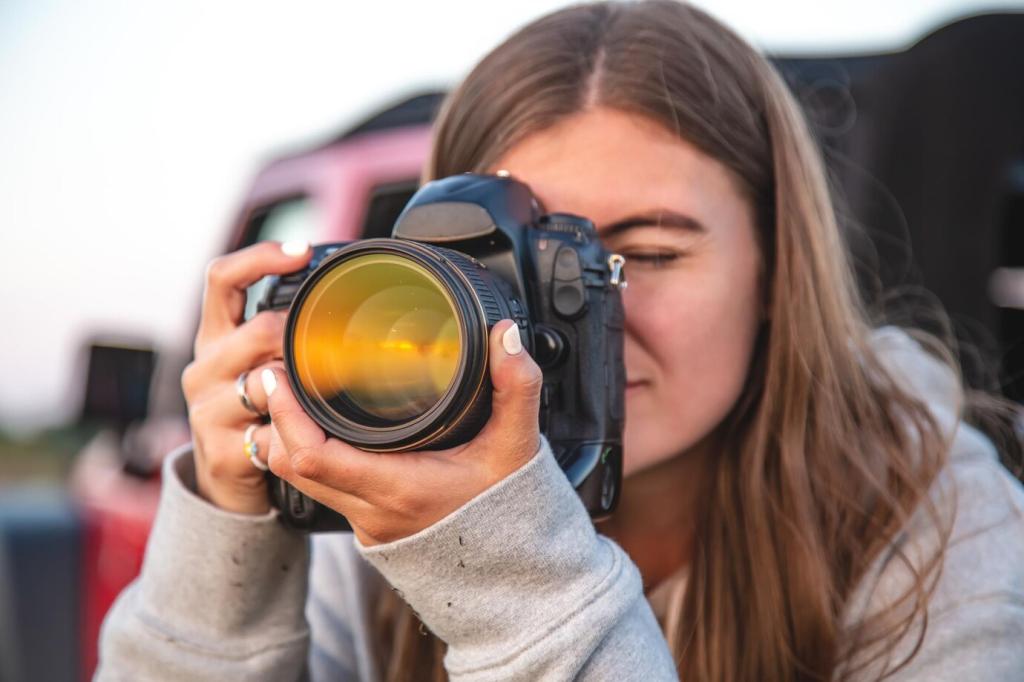

Basics of Exposure in Photography: Master the Light

Chosen theme: Basics of Exposure in Photography. Step into a clear, friendly guide to balancing aperture, shutter speed, and ISO so your photos feel intentional, alive, and beautifully lit. Share your questions in the comments and subscribe for weekly exposure challenges.

The Exposure Triangle, Made Intuitive

A wide aperture brightens your frame and softens backgrounds, perfect for portraits that glow. Stop down, and textures sharpen across the scene. Experiment with f/1.8, f/4, and f/11 on the same subject, then share which story each aperture tells.

The Exposure Triangle, Made Intuitive

Fast shutters freeze split-second action; slow shutters let motion paint the frame with expressive blur. Try panning a cyclist at 1/30s, then freezing footsteps at 1/1000s. Post your before-and-after and describe how each timing changed the feeling.

Matrix/Evaluative Metering: Smart, Not Psychic

Matrix evaluates the entire frame, usually nailing balanced scenes. But it can be fooled by bright skies or deep shadows. Use exposure compensation to protect highlights, and compare results before committing. Share one scene where Matrix surprised you, good or bad.

Spot Metering: Precision for Difficult Subjects

Spot meters a tiny area, letting you expose for a face, moon, or stage spotlight. Aim carefully, lock exposure, then recompose. Practice during a concert or theater rehearsal and tell us how skin tones and detail improved under tricky lighting.

Histograms, Highlight Warnings, and Confidence

A histogram shows how tones spread from dark to bright. Clipping on the edges means lost detail. Aim for a healthy distribution without crushed shadows or blown highlights, then review on your computer and tell us how your intuition changed.

Histograms, Highlight Warnings, and Confidence

ETTR brightens exposure to capture more data, then you gently pull it back in editing. Use caution with JPEGs and specular highlights. Try ETTR on a landscape at sunrise and share whether your shadows retained more nuance and color depth.

Histograms, Highlight Warnings, and Confidence

Highlight warnings flash where detail is gone. Do not panic—adjust exposure or bracket. Learn which highlights are acceptable to clip, like tiny reflections. Show us one frame where blinkies guided a smarter exposure without crushing the mood.

Creative Exposure: Motion, Mood, and Texture

A waterfall at 1/2s whispers; at 1/4000s it roars detail. Both are true, yet different. Choose based on emotion, not only sharpness. Post a diptych that contrasts motion blur and freeze, and explain which narrative your viewers preferred.

Modes that Matter: P, A/Av, S/Tv, and M

Choose depth of field, let the camera handle shutter speed. Set minimum shutter to avoid blur and dial exposure compensation as light shifts. Try a city walk at golden hour and share how quickly you adapted to changing highlights and shadows.

Modes that Matter: P, A/Av, S/Tv, and M

When movement matters, lock the shutter speed and let aperture float. Track runners, cyclists, or birds, and monitor ISO limits. Post your best action sequence and describe how your chosen speed shaped the energy and clarity of the moment.

Damac-island-villas-and-homes
Privacy Overview

This website uses cookies so that we can provide you with the best user experience possible. Cookie information is stored in your browser and performs functions such as recognising you when you return to our website and helping our team to understand which sections of the website you find most interesting and useful.